
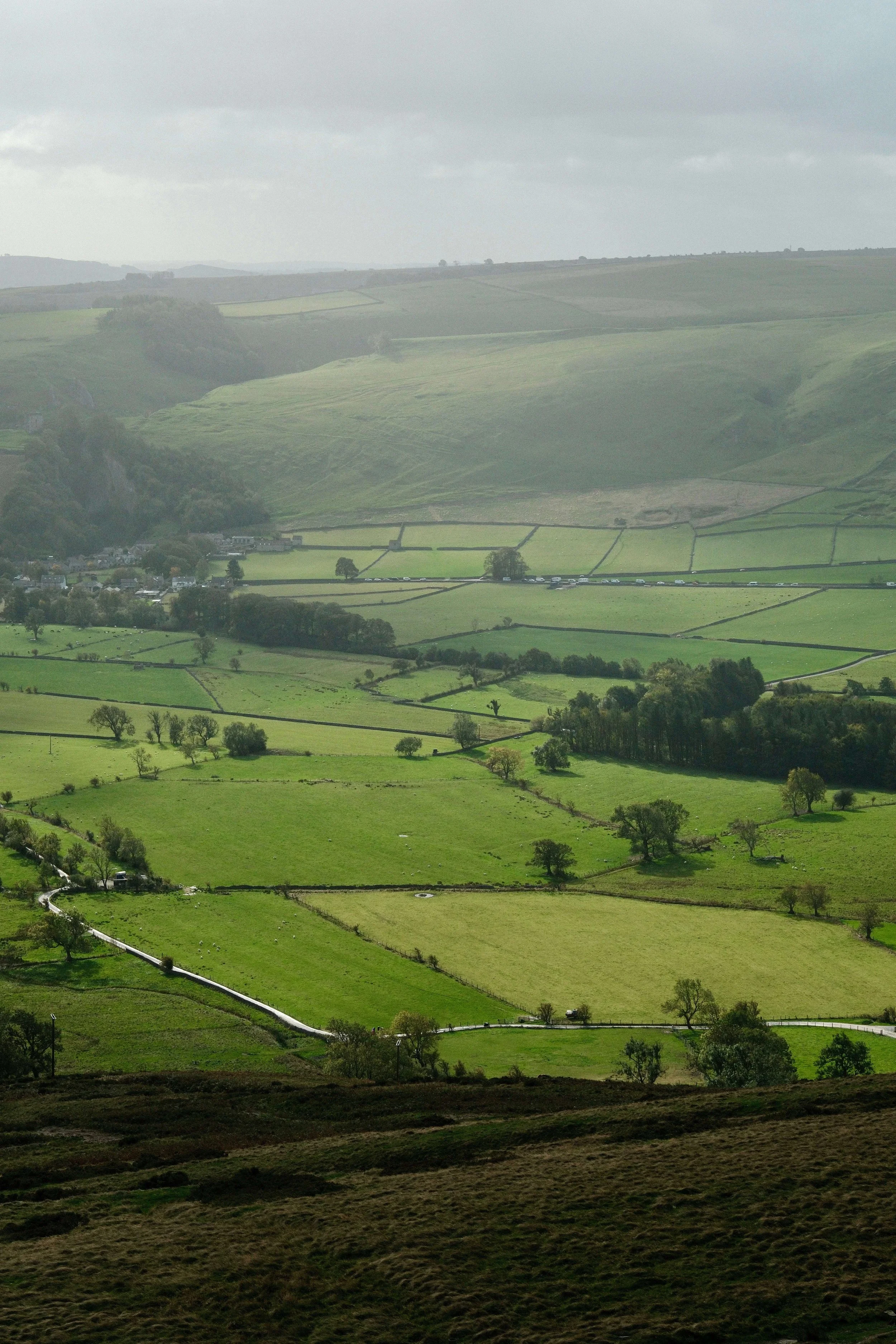
The UK has some of the best animal welfare standards in the world…
but is being the ‘best’ at killing animals something we should be proud of?
The UK public is being tricked into believing the animal products they consume are ethical, but the reality couldn’t be further from the truth.
British Animal Abuse
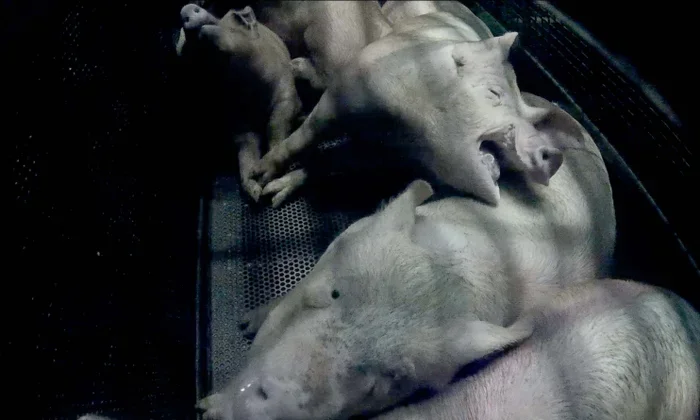
Millions of pigs in the UK are killed in gas chambers every year, where they are forced into metal cages and lowered into pits filled with high concentrations of carbon dioxide. Around 10 million pigs are slaughtered annually and 90% of them are gassed in this way. The industry could use a different gas that doesn’t cause the pigs to suffer so horrifically, but they choose not to.
Gas Chambers
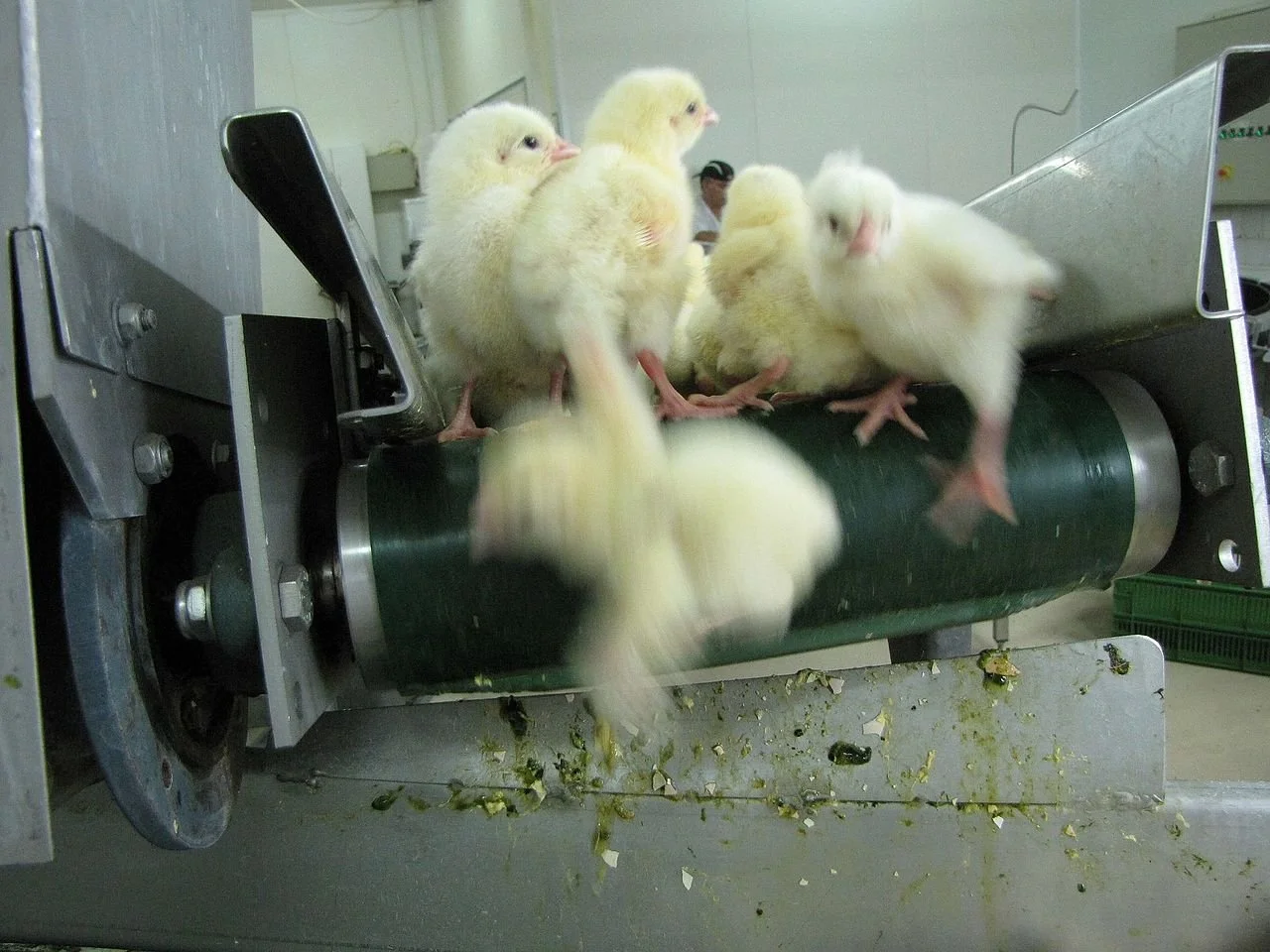
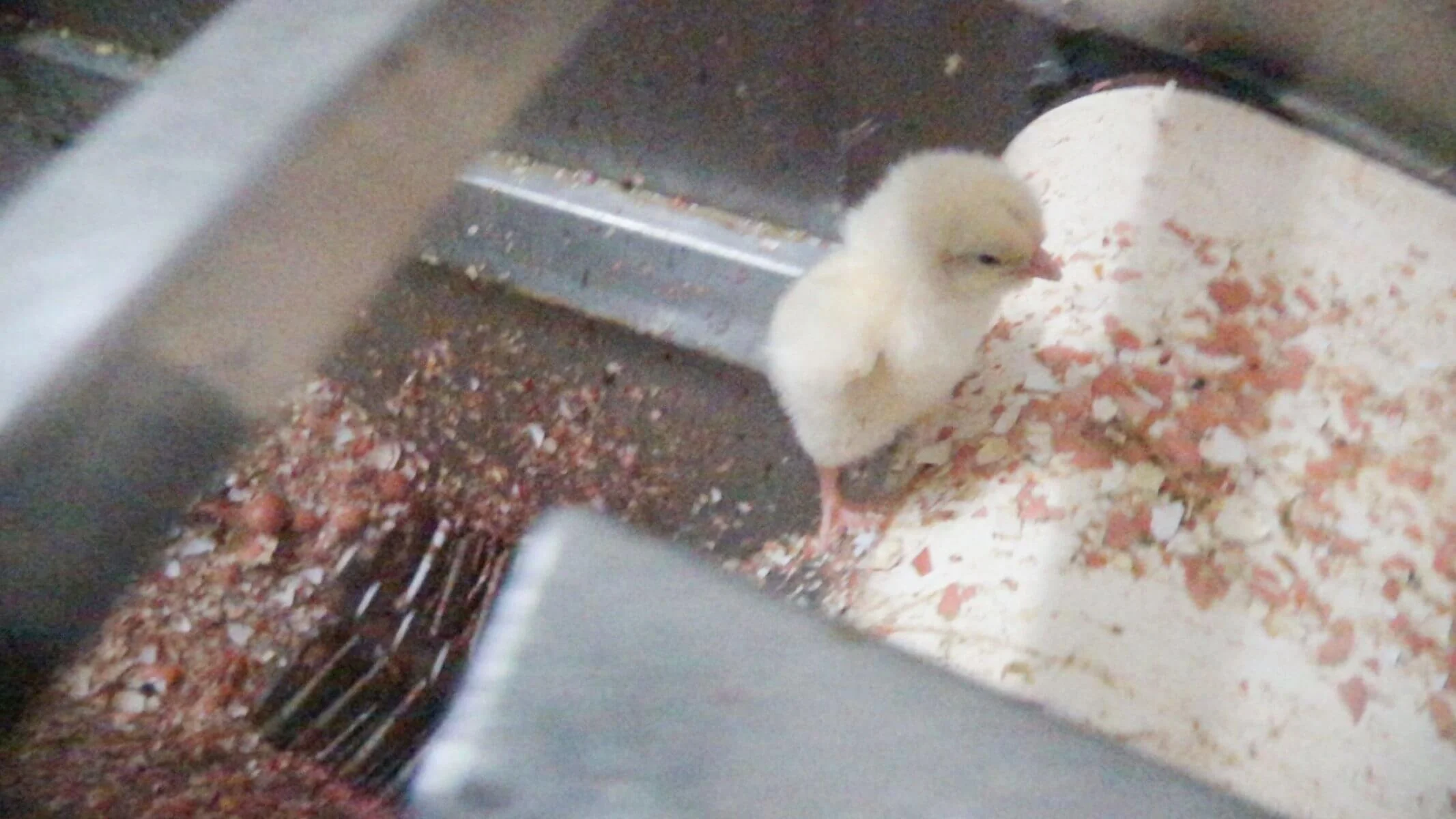
Each year in the UK, tens of millions of newly hatched chicks are killed simply because they are male and cannot lay eggs. In the egg industry, these chicks are considered worthless and are typically killed within hours of hatching by being put in gas chambers and gassed to death. The egg industry is also legally allowed to drop chicks into high-speed grinding machines known as macerators.
Male Chick Culling
Piglets in the UK have their tails cut off when they are just a few days old in a painful mutilation known as tail docking. The industry claims this is necessary to prevent tail biting, a behaviour that commonly arises when pigs are forced to live in cramped, barren factory farm conditions that cause extreme stress and suffering. Their teeth are also either ground down, or cut off with clippers or pliers shortly after birth.
Cutting Off Tails & Teeth

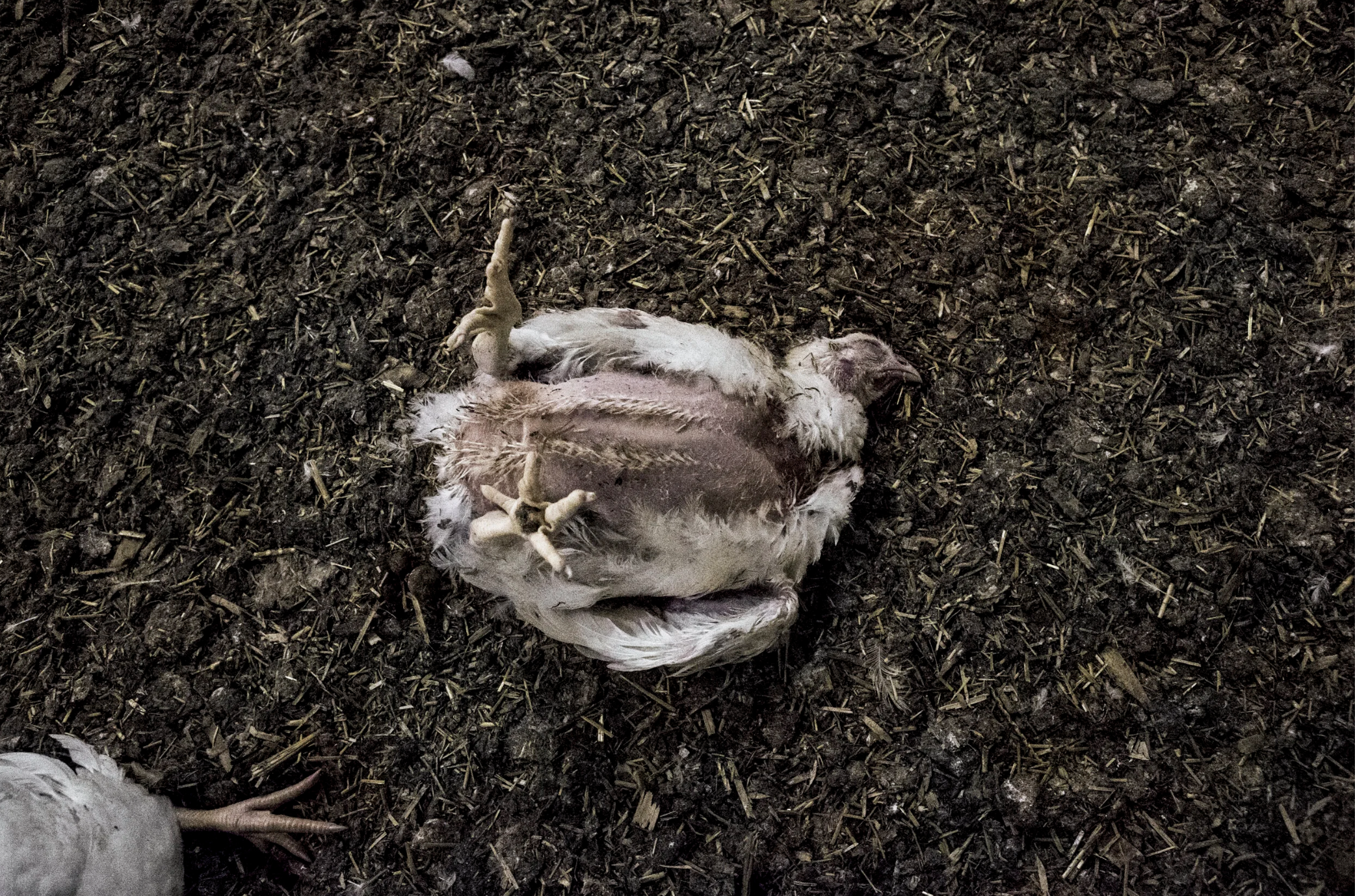
In the UK, the chickens in factory farms are often referred to as ‘frankenchickens’ because they are genetically engineered to grow unnaturally fast, reaching slaughter weight in just six weeks. These birds suffer from crippling leg deformities, heart failure, and respiratory problems because their bodies cannot keep up with the rapid growth demanded by the industry.
Frankenchickens
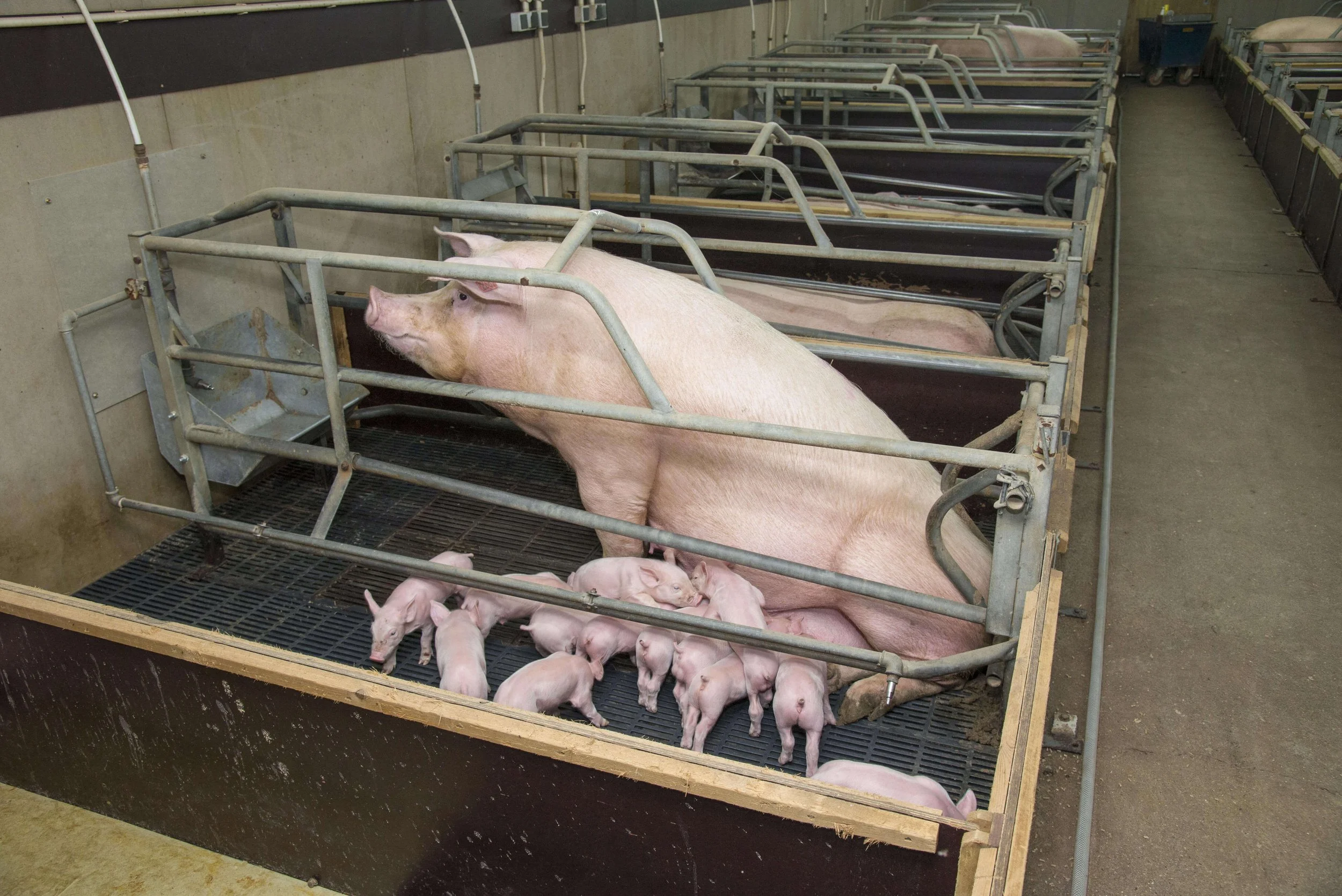
Breeding sows are confined for five weeks at a time inside cages called farrowing crates in the UK. These cages are so small that the mother pigs can’t even turn around. They are unable to walk, stretch, or perform natural behaviours, trapped in cages that cause chronic stress, frustration, and physical pain.
Farrowing Crates
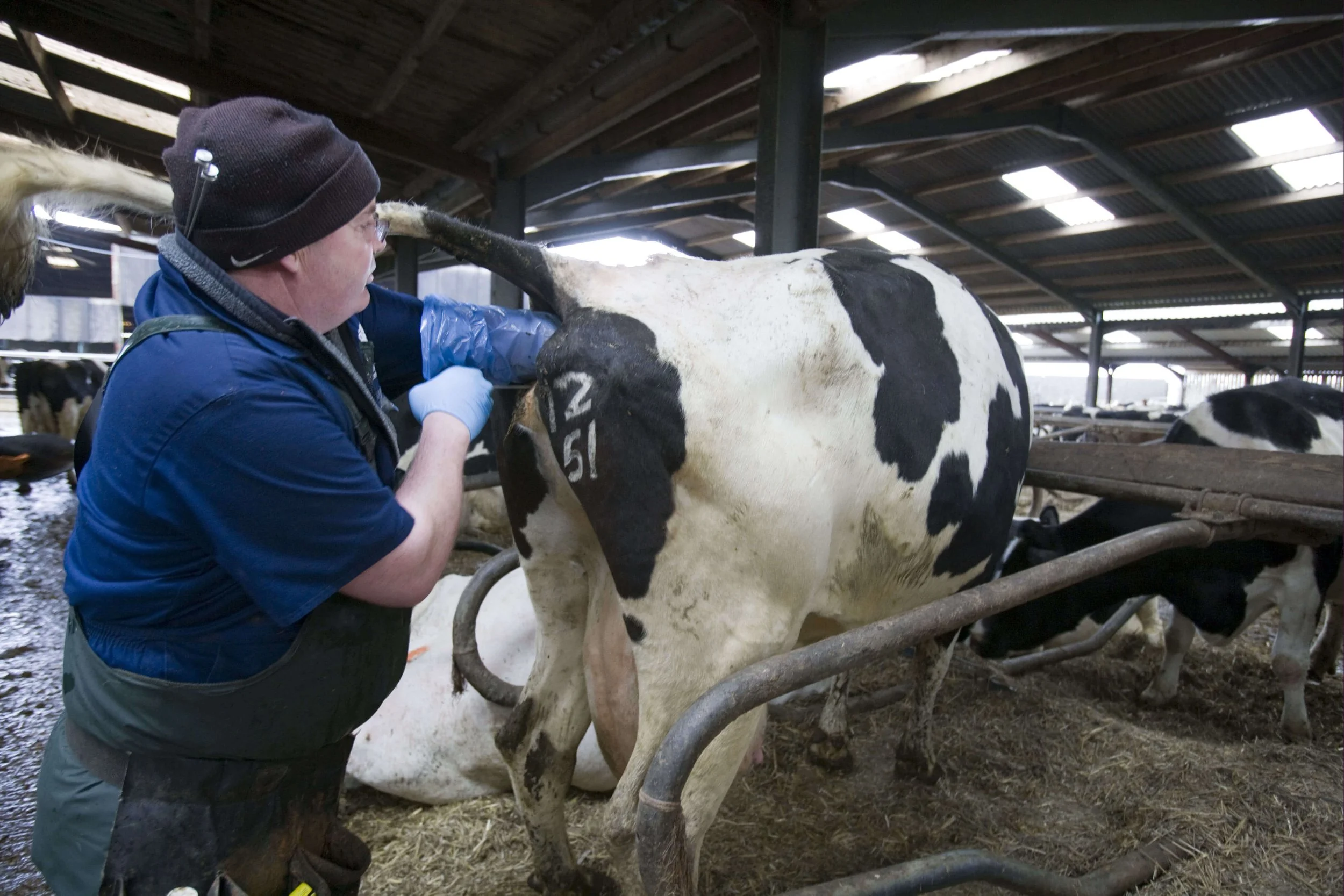
In British animal farming systems, pigs, cows, sheep, and goats are routinely subjected to artificial insemination, a procedure that turns their reproductive organs into tools for human profit. Their bodies are controlled to keep them pregnant and producing. In the case of dairy cows, a farmer forces their arm into the anus of the cow, holding her uterus in place through the lining of the anus, before then penetrating her vagina with a semen-filled syringe and injecting the semen inside of her uterus.
Artificial Insemination
Why do we kill animals in gas chambers?
Animals are killed in gas chambers primarily because it is considered efficient and cost-effective for large-scale mass slaughter. The method allows many animals to be killed at once. In farming systems, decisions about slaughter methods are driven by speed, volume, and cost.
For the animals, however, the experience is far from what many would call “humane”, a word synonymous with compassion. In the case of pigs, high concentrations of carbon dioxide (CO₂) are most commonly used. Scientific studies, and veterinary bodies and investigations have documented that exposure to this gas causes intense distress, panic, and a feeling of suffocation before loss of consciousness, as they burn from the inside out.
CO₂ is widely criticised because it is highly aversive to animals. Before losing consciousness, the animals experience burning in the nose and throat, air hunger, and intense panic, which is why animal welfare scientists and organisations have raised serious concerns. Other gases could be used, which would cause unconsciousness through lack of oxygen (hypoxia) rather than the painful irritation caused by CO₂. However this gas would be more expensive, demonstrating how the industry views profit as more important than animal suffering.
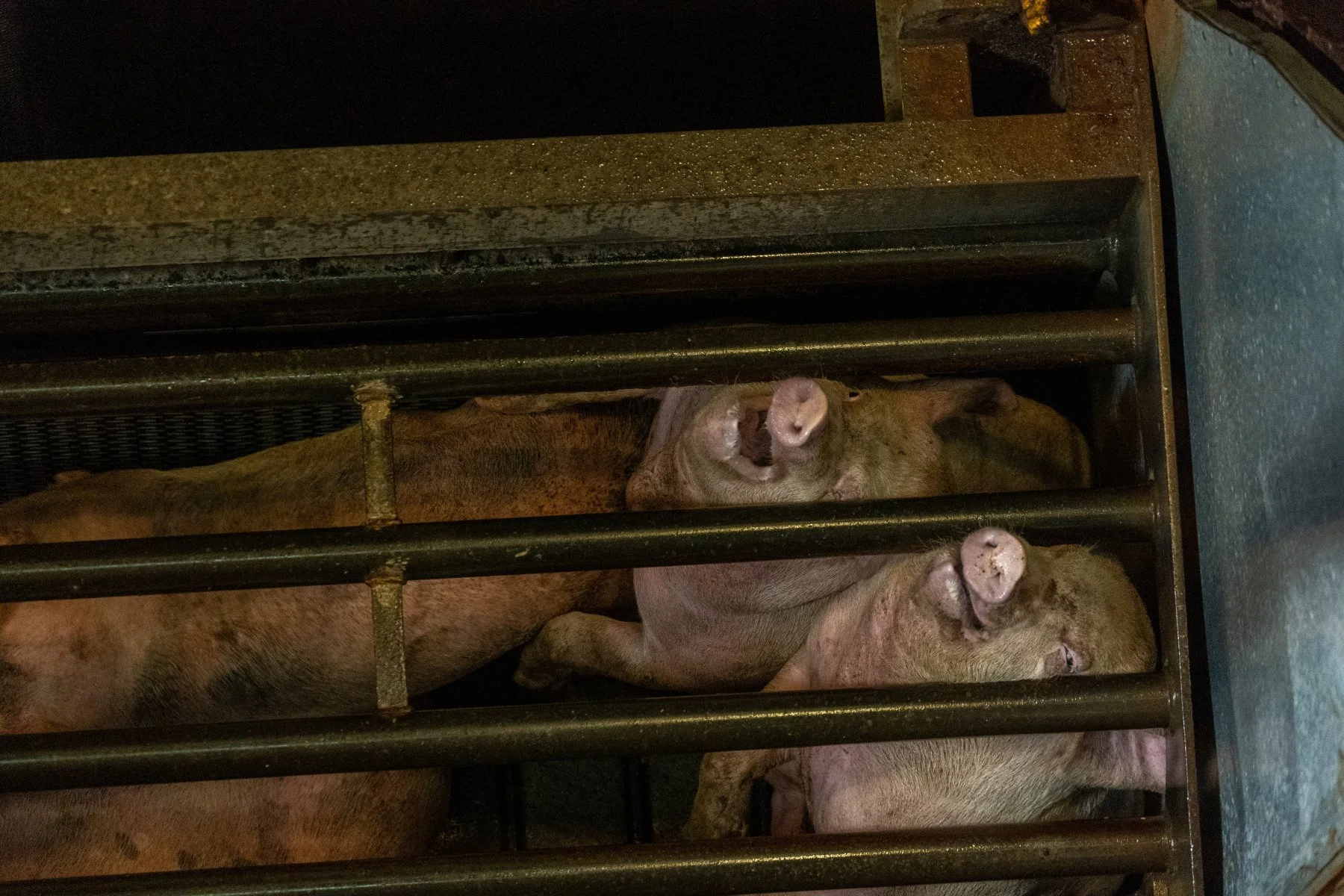
Image: Farm Transparency Project
What about
free-range eggs?
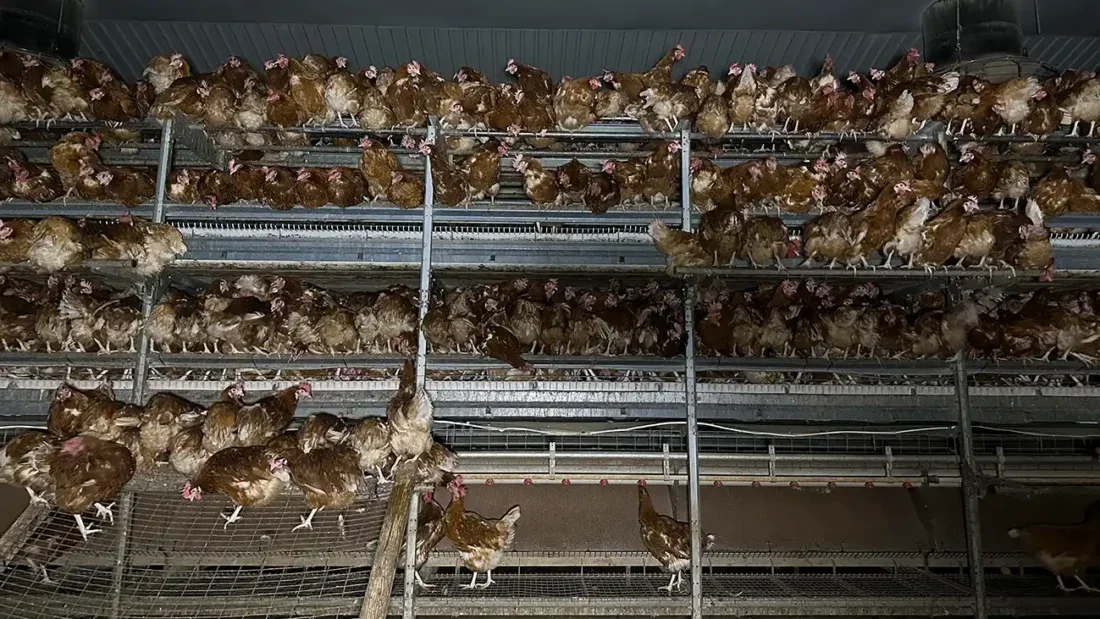
There’s a widespread public perception that “free-range” eggs come from hens roaming freely in open, spacious fields, but the reality is far less idyllic. Free-range standards require ‘access’ to the outdoors and allows for thousands of birds to be kept together in crowded indoor sheds. In many cases free-range chickens spend most of their lives in confined, intensive conditions, which falls short of what consumers typically imagine when they see “free-range” on egg cartons.
Inside the large sheds, death is inevitable due to the intensive systems. In flocks of thousands, birds succumb to infections, injury, or stress, with dead or dying birds laying among the flock. Watch a 2026 investigation into UK free-range egg farming by the charity Viva! here.
Male chicks are worthless
to the egg industry.
Every year in the UK, an estimated 40–45 million male chicks are killed by the egg industry shortly after they hatch. They are typically killed within their first day of life.
This is done because male chicks cannot lay eggs and they are not the right breed to be raised for meat. Chickens used in the egg industry have been selectively bred to produce large numbers of eggs, while meat chickens are bred to grow rapidly and develop large breast muscles. Male chicks born to egg-laying breeds grow too slowly and inefficiently to be profitable for meat production, meaning they are considered economically useless to the industry.
As a result, male chicks are killed shortly after hatching. This is not limited to one type of farming system. The practice occurs across all forms of egg production — including caged, barn, free-range, and organic systems.
What about dairy?
Dairy cows, like humans, only produce milk after giving birth. This means they are forcefully impregnated by farmers. When a calf is born, they are taken away from their mother so that the milk intended for them can be taken for humans, a process that causes immense distress to both mother and child. Female calves are raised to enter the same cycle of repeated impregnation and milk production, while male calves, considered economically useless to the dairy industry, are often shot in the head, sold into veal systems or raised for beef.
The mother cow is then pushed into continuous production, often re-impregnated just weeks after giving birth, placing relentless strain on her body. Selective breeding for unnaturally high milk yields leaves many cows suffering from chronic health problems such as mastitis, lameness, and exhaustion. By around five or six years old, far below their natural lifespan, most are deemed “spent” and sent to slaughter. The dairy industry is built upon the exploitation of the female reproductive system because the entire process is built around controlling and repeatedly using a cow’s ability to reproduce for commercial gain.
The reality of the dairy industry is a far cry from the images presented to us by supermarkets.
Watch the Animal Equality UK investigation into a Welsh dairy farm that supplied Costa, Londis and British Airways here.
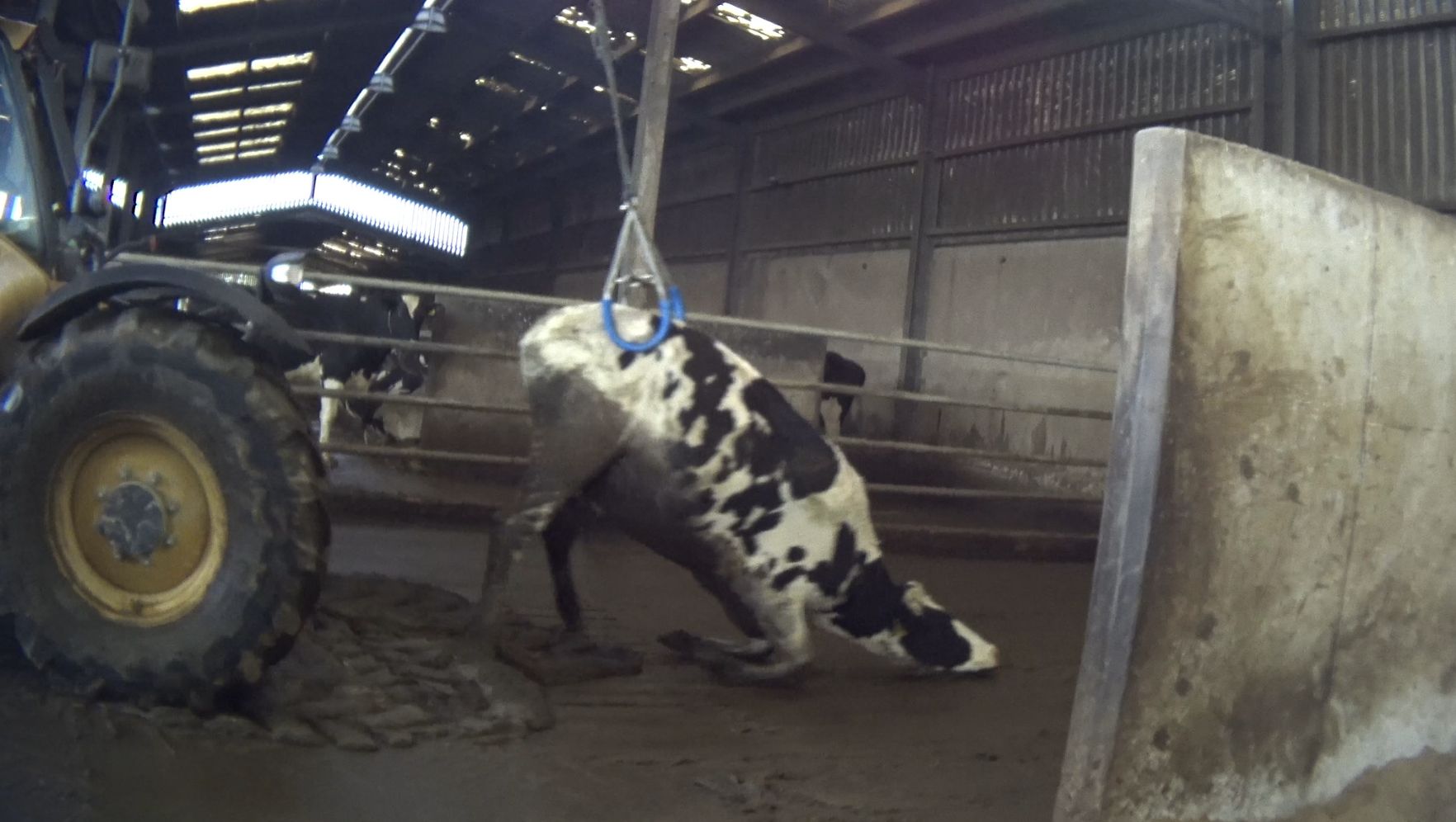
Image: Animal Equality
Unfortunately, this is only the tip of the iceberg. Yet we constantly hear that the UK and its supermarkets are “world-leading” for animals, leaving little pressure on the government to make meaningful improvements.
If we truly want to stop this from happening to animals, we have to stop buying it.
What can I do about this?
-
Feeling shocked by what’s happening to animals is a completely normal reaction, especially when the reality is carefully hidden behind glossy marketing and misleading imagery. But there are ways you can respond if you want to take action. The animal farming industries operate this way because they are supported by the choices people in society make; by changing the choices we make every day, we can help drive change in the system.
-
We advocate for veganism as the end goal for dietary changes; however, taking small steps towards that change can be a great way to get started.
-
Getting started doesn’t have to be overwhelming and you can take it day by day.
Rather than making entirely new recipes, try swapping out any animal products in your favourite meals for something plant-based instead. For example, using tofu instead of chicken in a curry or stir fry, or soya mince instead of beef mince in a spaghetti bolognese. Also, trying swapping out everyday items for plant-based alternatives, such as milk and butter. When you’re eating out or ordering food, opt for plant-based options. If you’re looking for support and guidance, Veganuary has a huge amount of resources. There are lots of choices for vegans in the UK, so it’s a great place to make the change.
-
To reach your MP, go to the UK Parliament website and use the “Find Your MP” tool by entering your postcode. This will give you their name, email address, and details of how to contact them. Most MPs prefer to be contacted by email, but you can also write a letter or attend a local constituency surgery to speak to them in person.
You can ask your MP to take action about specific farming practices, such as asking them to take a stand against the use of gas chambers in the UK.
-
You can watch our documentary Land of Hope and Glory or the documentary Pignorant.
-
Yes. When enough people vote with their purchases against animal cruelty, the system will be forced to change. When demand shifts, the industry has no choice but to adapt.